

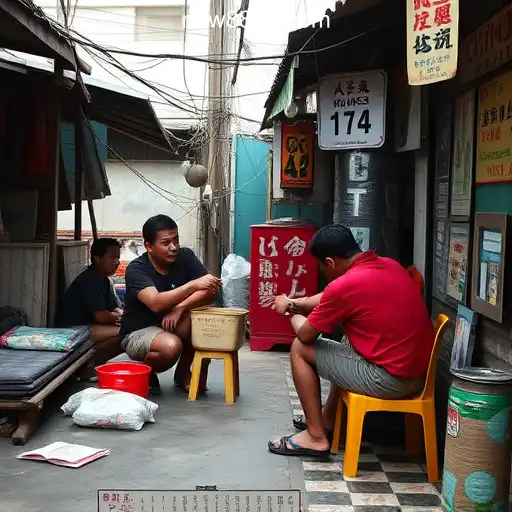
Understanding Jueteng and Its Impact
"Jueteng" is a term that resonates deeply in the Philippines, encapsulating a complex socio-economic and cultural phenomenon. At its core, jueteng is an illegal numbers game that has survived through decades, defying governmental regulations, and embedding itself within the fabric of Filipino society. The game has a storied history, significantly impacting various facets of life in the Philippines, from politics to economics.
The Historical Context of Jueteng
Jueteng traces back its roots to the Chinese settlement in the Philippines during the Spanish colonization. It evolved from a simple numbers game into an organized form of gambling that captured a vast audience due to its simplicity. Despite being illegal, this game thrives on accessibility and the potential of rapid financial gain for its participants.
How Jueteng Operates
The mechanics of jueteng are straightforward. Participants choose two numbers from 1 to 37. The winning numbers are drawn, often through rudimentary and secretive means. This simplicity ensures widespread participation across various social strata. The allure of jueteng rests upon the high payouts relative to the meager initial bets, which entice even the economically disadvantaged.
Societal Ramifications
From a societal perspective, jueteng has significant ramifications. It acts as a double-edged sword—providing a potential financial lifeline for many while also perpetuating cycles of poverty and dependency. The game thrives in impoverished communities, where it offers a glimmer of hope amid financial distress.
Political Dimensions
Jueteng extends beyond a mere gambling activity by influencing the political landscape of the Philippines. Politicians and local government officials have been known to exploit jueteng as a tool for garnering funds and political support. The game's operators wield substantial influence, often having the power to sway political outcomes and maintain a grasp over local communities by offering protection and financial benefits.
Economic Implications
The economic implications of jueteng are noteworthy. The game generates significant underground revenue streams, although they remain untapped by the formal economy. This lack of regulation leads to losses in potential tax revenue for the government while fortifying a shadow economy that operates outside the sphere of formal oversight.
Jueteng and Gambling Platforms
In the digital age, online gambling platforms such as NEW88.COM platform-online Slots Brasil #1 are popular, offering legitimate alternatives with similar attractions of accessibility and potential profits. Unlike jueteng, these platforms operate within the legal framework, contributing to the economy through taxes and ensuring regulated and fair gaming practices.
The Sociocultural Force of Jueteng
Despite the availability of regulated options, jueteng remains a powerful sociocultural force. Its roots are deeply entangled in tradition and daily life, making eradication challenging. The fight against jueteng is not simply a legal battle but a socio-economic challenge that requires addressing underlying poverty and cultural attachments to gambling as a social activity.
Legal and Policy Challenges
Legal efforts to eradicate jueteng have faced numerous challenges, primarily due to its widespread acceptance and the complex interplay of politics, economics, and social norms. Law enforcement agencies often find themselves handicapped by limited resources and the pervasive influence of corruption.
Conclusion
Jueteng is an enduring part of the Filipino ethos, representing more than just an illegal lottery. Its continued existence is a stark reminder of the socio-economic issues that persist in Philippine society. Collaborative efforts, encompassing governance, economy, and social welfare, are essential in addressing the challenges posed by games like jueteng, while offering legitimate and viable alternatives that uphold the law and benefit the broader economy.